
Teacher Buy-In for Curriculum Changes: What Works Before Summer

Teacher buy-in grows when planning reflects how teaching actually works. Curriculum change feels steady and purposeful when educators feel informed, prepared, and supported. Spring offers a valuable opportunity to shape that experience by creating space for clarity and thoughtful pacing before summer schedules fill. Teacher buy-in does not begin with training sessions. It develops earlier through planning choices that reduce uncertainty, protect classroom flow, and support professional confidence. When leaders use spring intentionally, teachers move into the next school year feeling grounded and ready. How Do You Get Teacher Buy-In for Curriculum Change? You build teacher buy-in for curriculum change by planning early, sequencing decisions thoughtfully, and communicating with clarity. Teachers respond positively when they understand how upcoming changes connect to daily practice and when expectations settle before routines take hold. Early planning helps teachers feel oriented rather than reactive. Buy-in strengthens when planning focuses on teaching conditions instead of timelines alone. When educators can picture how decisions will play out throughout the day, change feels familiar and manageable. That familiarity supports confidence and engagement. Planning choices that often support buy-in include: Sharing the planning path early so teachers know what to expect Clarifying what will remain consistent as change unfolds Allowing time for learning before routines fully settle These actions help teachers feel supported well before implementation begins. Why Does Teacher Buy-In Form Before Summer? Teachers experience planning as a certainty rather than a calendar. When decisions settle in spring, teachers carry fewer open questions into summer and return in the fall with a clearer sense of what to expect. This clarity allows teachers to mentally walk through the year ahead with confidence. Spring planning separates direction-setting from training delivery. Teachers gain context without pressure to act immediately, which supports steadier learning later. Training then reinforces decisions that already feel clear. When planning begins early, learning unfolds intentionally. Teachers approach change with readiness and calm. What Teacher Buy-In Looks Like in Real Classrooms Teacher buy-in does not require loud enthusiasm or immediate agreement. It shows up through confidence, consistency, and classroom flow. In early childhood classrooms, buy-in often looks like: Teachers understand how changes support daily teaching rhythms Expectations feel settled before routines form Training language appears naturally in conversation Classrooms adapt thoughtfully as the year unfolds These signals reflect confidence-building over time. Buy-in grows when teachers trust the planning process and feel supported throughout it. Strong buy-in often appears quietly. Teachers move through the day with clarity, routines feel reliable, and learning feels connected. Planning With Teaching Conditions in Mind Effective spring planning starts with how teaching unfolds during the day. Leaders gain clarity by considering where change would first appear in a teacher’s routine and which moments would benefit most from preparation. This lens keeps planning grounded in classroom reality. When planning prioritizes ease and familiarity, teachers experience change as manageable. Decisions feel connected to daily practice rather than layered on top of it. This alignment supports confidence and continuity. Planning that reflects teaching conditions reduces the need for later adjustment. Teachers benefit when routines feel intentional rather than improvised. How Curriculum Fit Supports Teacher Confidence Teacher confidence grows when curriculum decisions reduce cognitive load and improve usability. Fit becomes evident when teaching flows naturally, and routines are reliable across classrooms. Leaders often notice strong readiness when instruction feels easier to sustain, and learning carries forward over time. Helpful readiness signals often include: Teachers describe the day with clarity rather than complexity Routines sound familiar across classrooms Support shows up naturally without frequent reminders These patterns suggest that planning supports confidence and consistency. When fit feels right, buy-in strengthens naturally. Decision Relief Creates Space for Teaching Teachers make hundreds of small decisions throughout the day. When planning reduces unnecessary choice-making, teachers gain mental space to focus on children and instruction. This decision relief supports presence and confidence. Spring planning that prioritizes clarity helps teachers know what matters most early on. When expectations feel understandable, teaching feels lighter and more focused. That focus strengthens buy-in across classrooms. Decision relief does not remove professional judgment. It protects it. Instructional Carry Strengthens Daily Flow Instructional carry reflects how naturally teaching flows when curriculum structures support the day. Strong instructional carry allows routines, materials, and expectations to guide instruction without constant adjustment. Teachers feel supported when the day holds together predictably. Spring planning strengthens instructional carry by aligning decisions with daily rhythms. When leaders plan around how teachers move through the day, instruction feels cohesive. Confidence grows as classrooms experience consistency. This consistency supports shared understanding across teams. Teachers feel aligned rather than isolated. How Does Thoughtful Pacing Build Teacher Confidence? Teachers build confidence when learning unfolds across time. Spring planning allows leaders to decide what should remain stable, what can grow gradually, and what should feel familiar as the year begins. This pacing supports routine-building without interruption. When learning layers onto existing habits, teachers feel capable and supported. Confidence develops before complexity, supporting steady, consistent implementation. Thoughtful pacing allows preparation to feel achievable. Teachers benefit when early success feels attainable. That success builds momentum for deeper learning later. Practice Gravity Supports Consistency Practice gravity describes how easily teachers return to consistent practice. Strong practice gravity helps classrooms stay aligned without frequent reinforcement. Teachers feel confident when routines naturally guide instruction. Spring planning supports practice gravity by building on what already works. When leaders identify existing strengths and thoughtfully extend them, teachers experience continuity. That continuity supports consistency across classrooms. Practice gravity reduces the need for reminders. Teachers rely on familiarity and shared expectations. How Teacher Voice Strengthens Buy-In Teachers bring valuable insight into how plans show up in real classrooms. When teachers share which planning choices support routine-building and steady pacing, implementation strengthens naturally. The teacher’s voice often adds clarity around timing rather than preference. Low-effort opportunities for teacher input often include: Reflecting on which practices feel most stable Noting where guidance supports daily flow Sharing timing insights that support routine-building When sharing feels purposeful, engagement grows. Alignment strengthens
A Realistic Curriculum Implementation Timeline That Protects Teacher Capacity

When leaders develop a curriculum implementation timeline, they are usually planning carefully. They want to support educators well, create clarity early, and ensure the year ahead feels steady and achievable. In early childhood programs, implementation succeeds when it aligns with how teachers actually build routines and confidence. Educators experience change through daily practice, not through dates alone. A realistic curriculum implementation timeline reflects that experience and supports learning at a sustainable pace. This article shares a spring-to-fall timeline that protects teacher capacity while helping leaders plan with confidence and clarity. When teachers feel supported, and routines stay predictable, children experience the start of the year with joy. What Is a Curriculum Implementation Timeline? A curriculum implementation timeline is a phased plan that guides how curriculum decisions move from early planning to daily classroom use. It outlines when decisions are explored, when educators receive information, how learning develops over time, and when expectations deepen. Strong timelines emphasize sequencing rather than speed. They help educators recognize what feels familiar first, then build confidence as practice grows. Why Does Teacher Capacity Matter in Implementation? Teacher capacity shapes how comfortably new practices take hold. When timelines respect workload and learning pace, educators feel prepared and focused. A capacity-protective timeline reduces the need for teachers to interpret expectations independently. It creates clarity early and allows confidence to build naturally. This supports consistency across classrooms over time. Why Spring Planning Creates Stability Spring offers a valuable planning window. Classrooms are active, routines are visible, and leaders can clearly see what supports teaching most effectively. Planning in spring allows leaders to separate direction-setting from training delivery. Educators gain awareness of upcoming changes without pressure to act immediately. This preparation helps change feel expected and manageable. Phase One: Spring Planning Builds Orientation Early planning helps educators anticipate what is coming before expectations rise. Orientation gives teachers a sense of footing as change approaches. During this phase, leaders focus on: Anchoring new practices to familiar classroom routines Clarifying which elements should remain stable Identifying what matters most early in implementation Aligning stakeholders around shared priorities This work creates clarity and supports confident learning later. Phase Two: Early Inclusion Strengthens Alignment How does early teacher inclusion support implementation? Early teacher inclusion helps implementation feel connected to classroom reality. When educators understand the direction before decisions are finalized, they feel oriented rather than surprised. Leaders invite insight while planning remains open. Conversations focus on daily flow, routines, and teaching rhythms. This shared understanding strengthens alignment and supports readiness across teams. Teachers feel informed and respected. Leaders gain practical insights that strengthen planning decisions and support consistency. Phase Three: Late Spring Creates Clear Direction Late spring marks a shift from exploration to alignment. Decisions feel settled, and communication becomes steadier. At this stage, leaders help educators anticipate what the year will feel like when it begins. Teachers benefit from knowing what will feel familiar first and what will continue to develop over time. Clear direction supports confident preparation. Phase Four: Summer Learning Builds Confidence How should summer learning build confidence? Summer learning builds confidence when it prioritizes understanding before mastery. Leaders focus on foundational concepts that teachers will use immediately. Learning connects most effectively when it reflects daily teaching moments. Educators recognize how practices fit into their routines. Early success builds confidence and supports deeper learning later. Phase Five: Late Summer Reinforces Readiness Late summer supports educators as they prepare to welcome children. This phase reinforces familiarity and clarity rather than introducing new demands. Late summer planning often emphasizes: Consistent language across leaders Reinforcement of known routines Clear guidance for early expectations Supportive messaging that builds readiness Educators begin the year feeling prepared and supported. Phase Six: Fall Implementation Sustains Momentum How does fall support sustain implementation? Fall support sustains implementation by reinforcing learning as teaching unfolds. Leaders help educators connect planning to real-time practice. Leaders stay visible and responsive. Coaching conversations focus on what feels steady, what continues to strengthen, and where small adjustments support flow. This approach reinforces learning without disrupting classroom momentum. Teachers feel supported as they reflect, refine routines, and grow in confidence. Implementation strengthens steadily throughout the year. How This Timeline Protects Teacher Capacity A realistic implementation timeline for a curriculum protects capacity by reducing unnecessary cognitive load. Teachers spend less time reinterpreting expectations and more time focusing on instruction. Predictable routines and gradual learning support steady growth. When clarity comes first, teaching feels lighter and more focused. How Do Timing Choices Shape the Educator Experience? Timing shapes how educators experience change throughout the day. When decisions arrive in a clear, predictable sequence, teachers can anticipate what is coming and prepare with confidence. Leaders often notice that planning feels aligned when conversations are calmer and questions are more focused. Explanations connect naturally to classroom practice rather than feeling abstract or disconnected. This clarity supports shared understanding across teams. Educators often feel most supported when learning connects directly to daily routines. Expectations feel understandable early, and confidence builds before accountability expands. These experiences indicate that planning choices align with teaching rhythms and support long-term success. Frequently Asked Questions What is a curriculum implementation timeline? A curriculum implementation timeline is a phased plan that guides the transition of curriculum decisions from planning to daily classroom practice. When should leaders begin planning curriculum implementation? Spring is an ideal time because classrooms are active, and leaders can plan thoughtfully without the urgency of the school year. How long does curriculum implementation usually take? Implementation often unfolds from spring planning through fall support, allowing confidence and consistency to develop gradually. Why is teacher capacity important in implementation planning? Teacher capacity supports confidence and consistency. Timelines that respect workload strengthen outcomes. How does early planning support educators? Early planning provides clarity, reduces uncertainty, and supports a smooth transition into new practices. Turn Thoughtful Planning Into Confident Practice with Frog Street A curriculum implementation timeline works best when it reflects how educators learn, grow, and build confidence over time. When leaders plan early,
Early Childhood Curriculum Funding: Readiness Steps Leaders Can Take This Spring

Spring offers early childhood leaders something rare during the school year: space to plan with perspective. Classrooms remain active and engaged, yet spring offers a space to look ahead without distraction. Funding preparation, curriculum planning, and implementation timelines begin to intersect, shaping the next school year for educators and learners. When leaders use this season intentionally, funding becomes a source of clarity rather than complexity. Spring readiness supports thoughtful decisions that strengthen instruction, respect educators’ capacity, and build confidence well before the first day of fall. Funding Readiness Begins With Alignment, Not Speed Successful curriculum funding does not depend on moving quickly. It depends on aligning goals, timelines, and classroom realities early enough to make informed choices. Spring provides the ideal window to bring those pieces together in a calm, intentional way. Funding decisions feel steady and well-supported when alignment occurs first. Leaders gain confidence knowing that resources will match both instructional priorities and implementation capacity. How Do Leaders Successfully Fund Early Childhood Curriculum? Leaders fund early childhood curriculum most effectively when they plan early and look beyond materials alone. Spring readiness enables leaders to align funding decisions with how educators will experience implementation. This approach ensures funding supports learning, preparation, and sustained use rather than one-time purchases. Funding is most effective when it reflects how the curriculum is implemented in classrooms. When leaders plan with implementation in mind, educators feel prepared and supported from the beginning. Why Spring Planning Strengthens Funding Decisions Spring planning strengthens funding decisions by allowing leaders to think holistically. Rather than reacting to timelines later in the year, leaders can use spring to reflect on what is working, what needs support, and what conditions help educators thrive. This reflection leads to funding conversations grounded in purpose rather than urgency. Early planning also supports better collaboration. Stakeholders have time to align expectations, review information, and contribute thoughtfully, which strengthens trust and shared confidence. Understanding the Funding Landscape With Confidence Most early childhood programs rely on multiple funding sources rather than a single pathway. These often include state or federal early learning funds, district or site-based budgets, preschool program allocations, and grants aligned to early childhood priorities. Each source carries its own timing, requirements, and approval processes. Spring allows leaders to become familiar with how these pathways intersect. When leaders understand funding timelines early, conversations feel clearer and easier to navigate. What Should Curriculum Funding Support Beyond Materials? Curriculum success depends on the conditions that support educators, not just the resources they receive. Funding plans are strongest when they focus on how educators learn, prepare, and build confidence using curriculum materials. This perspective connects funding directly to instructional quality. Effective funding often supports: Educator learning and onboarding Ongoing implementation or coaching support Time to prepare and reflect When leaders prioritize these elements, funding decisions naturally strengthen classroom practice. The Readiness Information That Keeps Planning Moving Forward Preparation is one of the most valuable leadership tools in the spring. Gathering key information early enables funding conversations to proceed smoothly and with confidence. Leaders who prepare ahead reduce uncertainty and create clarity for everyone involved. Helpful readiness information often includes enrollment counts, program size, instructional priorities, and training timelines. When these details are readily available, planning becomes focused and productive. How Can Leaders Align Funding With Educator Learning Timelines? Strong implementation begins with respecting educators’ learning needs. Educators benefit from time to explore new materials, reflect on practice, and build confidence before classroom use. Spring planning allows leaders to align funding approval with these learning timelines. When funding and learning move together, implementation feels steady and supportive. Educators experience preparation as an investment in their success. Clear Funding Conversations Build Shared Confidence Funding conversations are most effective when leaders communicate clearly and with purpose. Spring offers time to shape a narrative that explains how funding supports program goals, educator readiness, and long-term instructional quality. This clarity helps stakeholders understand both the intent and the plan. When conversations center on shared outcomes, collaboration grows naturally. Leaders and partners move forward with confidence and alignment. Educator Support as a Central Funding Priority Educator experience plays a central role in the success of the curriculum. When funding plans intentionally include time for training, clear communication expectations, and ongoing support, educators feel informed and valued. Spring planning allows leaders to make this support visible early in the process. This early clarity builds trust and consistency across classrooms. Educators know what to expect and feel supported as they prepare for change. What Does Thoughtful Pacing Look Like for Funding Decisions? Thoughtful pacing means deciding what to fund now and what to introduce later. Spring planning allows leaders to sequence funding decisions in a way that respects educator capacity and program goals. Not everything needs to happen at once to be effective. When leaders pace decisions intentionally, implementation feels manageable and sustainable. Progress builds steadily without overwhelming staff. What Early Funding Readiness Makes Possible Early funding readiness creates positive outcomes across programs. Leaders experience greater clarity and confidence in decision-making. Educators feel prepared, supported, and informed well before implementation begins. Curriculum specialists and instructional leaders can focus on coaching and growth. The entire program benefits from thoughtful timing and aligned planning. Frequently Asked Questions About Early Childhood Curriculum Funding How do you effectively fund early childhood curriculum? Leaders fund curriculum effectively by preparing early, aligning funding with implementation needs, and planning for educator support alongside materials. When should leaders start planning curriculum funding? Spring is an ideal time because it aligns funding preparation with curriculum planning and training timelines. What should curriculum funding include beyond materials? Funding should support educator learning, preparation time, and ongoing implementation support. Do funding decisions need to be finalized in the spring? Spring planning focuses on readiness and alignment, not immediate final decisions. How does early funding preparation support educators? Early preparation creates time for training and support that feels purposeful and manageable. Plan Forward With Confidence and Care with Frog Street Spring planning gives leaders the space to
Spring Planning for Early Childhood: How to Avoid the August Curriculum Scramble
Spring offers early childhood leaders a valuable planning window. Classrooms are active, routines are established, and teaching realities are visible. At the same time, calendars still provide flexibility, giving leaders room to plan intentionally. This season allows leaders to reflect on what already supports learning and use those insights to shape the year ahead. Planning in spring creates space to make decisions thoughtfully, rather than piling them up later. When planning begins now, the next school year starts with confident teachers and joyful classroom routines already in place Spring planning works best when it feels calm and purposeful. It allows leaders to protect what works, strengthen what matters most, and guide change without urgency. This steady approach supports educators and classrooms alike. Planning the Next School Year With Intention Early childhood programs plan most effectively when leaders begin in the spring with a people-centered approach. Planning early allows decisions to unfold gradually and logically. It also gives educators time to orient before expectations increase. Strong spring planning focuses on four essential priorities: Designing decisions around real classroom rhythms Preparing early for funding conversations Creating a realistic implementation timeline Ensuring teachers feel oriented before action is required This approach keeps planning grounded in daily practice. Decisions feel manageable rather than overwhelming. Planning becomes a source of clarity instead of pressure. Why Does Spring Support Better Planning Decisions? Spring provides a perspective that is difficult to access later in the year. Leaders can clearly see where classrooms flow smoothly and where thoughtful support makes the biggest difference. Those observations offer meaningful guidance for planning. Planning during spring separates direction-setting from delivery. Leaders clarify what should remain stable before scheduling training or preparing materials. This sequencing allows summer to focus on preparation rather than coordination. Spring also supports early communication. Educators benefit from knowing what is coming, even when no action is required yet. That early awareness builds confidence and reduces uncertainty. Planning Around Teaching Conditions, Not Just Timelines Effective spring planning starts with teaching conditions rather than calendar pressure. Leaders look closely at how the day unfolds for educators. They notice where routines feel settled and where small adjustments could strengthen consistency. When planning reflects teaching conditions, decisions feel realistic and supportive. Leaders anticipate how change will land in classrooms before it appears on a timeline. This awareness helps plan support instruction rather than compete with it. Designing around teaching conditions also helps leaders prioritize what matters most. It shifts planning from accumulation to alignment. That clarity supports steadier implementation later. A Planning Lens That Keeps Classrooms at the Center Effective leaders often ground spring planning in a single, guiding lens. Where would this change show up in a teacher’s day before children notice it? This question anchors planning in lived classroom experience. It shifts attention from abstract decisions to daily practice. Leaders who plan this way naturally prioritize familiarity and ease. Helpful reflection often includes: Which part of the day would run more smoothly if this were well planned? What teaching habit would this decision quietly support over time? What would make this feel familiar by early fall? These reflections help change integrate smoothly into existing routines. How Should Leaders Think About Curriculum Fit? Curriculum fit matters most when it supports teaching in practice. Spring provides the clarity and time needed to evaluate fit thoughtfully. Leaders look beyond features to understand how decisions show up during instruction. Leaders often notice how much mental energy teachers expend on decision-making. They observe how easily support is accessible during teaching moments. They also consider how learning builds gradually over time. When planning respects instructional reality, implementation feels purposeful. Teachers focus on guiding learning. Daily practice feels supported rather than interrupted. Timing Decisions for Long-Term Success Curriculum decisions tend to have the greatest impact when they take shape between March and early summer. This window allows leaders to explore options calmly. It also supports alignment across roles and sites. Early decisions create space to: Schedule training that feels meaningful and well-paced Communicate expectations clearly and consistently Allow educators time to recognize how changes fit into practice When decisions settle earlier, summer becomes preparation time. Fall begins with confidence already established. A Moment to Pause and Reflect Many leaders find this a helpful moment to pause and reflect on how their current planning timeline supports teaching conditions. Clarifying what should remain stable, what can develop gradually, and what deserves more space often makes the rest of the planning feel lighter. A brief planning snapshot now can create clarity that carries through the summer. How Does Funding Fit Into Spring Planning? Funding conversations work best when leaders approach them early. Spring allows time to understand which funding pathways align with program goals. Leaders can also clarify documentation needs and approval timelines. Early funding readiness supports flexibility. Leaders align planning steps with budget cycles and move forward confidently. This preparation helps maintain steady progress. Funding readiness also supports communication. Leaders can speak clearly about timing and next steps. That clarity builds trust across teams. A Planning Flow That Supports Stability A thoughtful planning flow spreads decisions across seasons. Leaders avoid compressing work into summer. This pacing supports learning and confidence. Many leaders follow a simple rhythm: Spring locks in stable structures Early summer layers learning onto familiar practices Late summer reinforces confidence through repetition This approach allows educators to rely on consistency. Confidence builds naturally. How Can Leaders Include Teachers Without Adding Work? Teacher inclusion strengthens planning when it feels natural and respectful. Leaders often include teachers through existing touchpoints rather than adding meetings or tasks. This approach respects educator time. Teachers tend to feel supported when inclusion happens: While stability decisions are still open When learning layers are shaped When classroom flow is discussed concretely Before expectations quietly shift These moments build shared understanding. Trust grows organically. What Becomes Stronger When Planning Is Paced? Thoughtful pacing strengthens implementation. Leaders often notice greater clarity when decisions settle early. Confidence grows when expectations remain consistent. Planning works best
Love of Learning Month: Simple Ways to Keep Joy Alive Through Spring
Love of learning is not something educators turn on for a season. It is something they protect day by day, especially during the long stretch between winter and spring. Classrooms benefit from steadiness at this point of the year. Children respond best when routines feel familiar and welcoming. Teachers thrive when teaching feels manageable and purposeful. When those conditions are in place, engagement stays strong, and joy remains part of the learning experience. Keeping love of learning alive in preschool does not require new activities or added expectations. It grows through consistent routines, meaningful connections, and small moments that help children feel safe to explore and for educators to feel supported in guiding them. Predictable does not mean rigid. The goal is a steady rhythm that still flexes based on children’s cues, cultures, languages, and needs. How Do You Keep Love of Learning in Preschool? You keep the love of learning in preschool by creating a predictable, supportive learning environment where children feel secure enough to explore. When routines stay clear, and daily choices feel settled, children engage with confidence, and teachers guide learning with calm focus. This approach supports the whole classroom. It helps children feel oriented and capable. It also allows teachers to focus on connection and instruction rather than on frequent decision-making. When systems carry more of the day, teachers carry less. The Everyday Shape of Love of Learning Love of learning often looks quiet and steady. It shows up in classrooms where learning continues smoothly across the day. In late winter and early spring, engagement may look more internal than it did in the fall, including watching first, joining later, and participating through small actions. You can notice love of learning when: Children move through the schedule with confidence because the flow feels familiar Learning connects across activities, so children feel continuity rather than constant restarts The environment supports independence, so children engage without needing frequent reminders Teachers have space to observe, respond, and extend learning through conversation These signs reflect strong classroom design. They signal that the room carries learning expectations through visual cues, routines, and structure. As a result, the early childhood classroom feels joyful, calm, and welcoming, rather than dependent on constant adult effort. That is a strategic advantage because it sustains quality even when energy fluctuates. Why “Decision Closure” Supports Engagement Many classrooms feel lighter and more transparent when fewer choices remain open during the day. Decision closure means you intentionally “close” everyday decisions so teachers and children can rely on what stays consistent. This matters because predictability supports confidence. When teachers do not revisit the same decisions repeatedly, they keep their attention on the children. When children know what to expect, they participate more willingly. Decision closure can sound simple, yet it works powerfully when it stays consistent. For example, a team might close decisions on the daily opening, the transition language used across classrooms, or what “enough” means for planning during this season. It can also include closing decisions on where materials live, which visuals are used, and which phrases anchor common classroom moments. When educators make decisions, they create space for learning. They also protect the classroom’s rhythm, which supports engagement across the day. Fewer open loops means less decision fatigue and more calm consistency. Where Engagement Quietly Takes Root Engagement grows in the “in-between” moments. It grows in arrival, transitions, and group learning when children practice the same successful patterns again and again. Here’s the key: engagement strengthens when the room communicates “what happens here.” The physical layout, visual cues, and predictable pacing guide participation. Teachers can then coach learning rather than constantly narrate logistics. This is where clear visuals, consistent teacher language, and stable routines do real work. This is why teacher engagement strategies often work best when they tighten the rhythm rather than add more activities, primarily when supported by a preschool curriculum that promotes consistent classroom routines. A classroom that feels recognizable each day gives children the security to stay engaged longer. It also offers teachers an easier path to maintain momentum. Predictability lowers stress and increases instructional lift. Five Micro-Moments That Build Engagement Micro-moments shape how learning feels without adding new work. They succeed because they repeat predictably. Engagement strengthens through: Anchored beginnings that start the day the same way each morning, helping children settle quickly Instructional transitions that move learning forward smoothly, rather than pausing momentum Recognizable group-time cues that children already trust, such as familiar call-and-response language Choice within stable patterns so children feel agency without uncertainty Consistent endings that help children leave the day feeling capable and proud These micro-moments create a classroom that naturally carries learning. Over time, children participate with increasing independence because the experience feels familiar. That familiarity supports early childhood classroom joy in a steady, lasting way. Supporting Joy Without Forcing Constant Cheer Joy grows when teaching feels sustainable, affirming, and grounded in what works. Educators protect joy by leaning into steady practice, predictable structure, and meaningful connection. Joy is not constant cheer. It is a classroom tone created through safety, success, and belonging. Teachers strengthen joy when they: Trust familiar routines and repeat them with confidence Use consistent response patterns for common classroom moments Shorten “energy-shift” moments with simple pacing adjustments End learning experiences while children still feel successful This approach keeps teaching calm and effective, especially when paired with social-emotional learning practices embedded into daily routines. When a teacher protects success and clarity, children stay willing to try, participate, and explore. To support this mindset, many educators use a simple daily reflection that stays positive and instructional: “Which part of today felt especially smooth, and what helped it work?” That question keeps the focus on strengths and reinforces what the classroom already does well. It also creates a feedback loop for refining routines without launching new initiatives. Leadership That Reinforces Joy and Stability Leaders influence joy by shaping the systems that teachers experience daily, often supported by teacher support resources designed for real classroom
Teacher Burnout Warning Signs: What Leaders Can Do in February

By this point in the year, classrooms have established strong rhythms, and teachers are guiding learning with intention and care. While energy may feel more measured, the right systems keep the work sustainable without lowering expectations. For leaders, February brings clarity. It highlights which systems are supporting teachers well and where small adjustments can make the day feel even smoother. Responding early strengthens teacher well-being and supports teacher retention in early childhood programs. This is a retention moment, not a performance moment. Teacher burnout rarely appears all at once. It shows up through small, observable shifts. Recognizing those shifts early allows leaders to support teachers in ways that feel practical, respectful, and sustainable. The goal is to remove friction so teachers can stay consistent, connected, and confident. The 5 Teacher Burnout Signs Leaders Often Notice First Signs of teacher burnout tend to appear gradually, especially in February. Common early signals include: Emotional withdrawal Increased absences Reduced engagement Heightened irritability Inconsistent routines or curriculum use These signs do not reflect a lack of commitment. They reflect sustained effort over time. They also signal that teachers may be conserving energy to keep the classroom stable. When Emotional Connection Feels Quieter Than Usual Teachers may still meet expectations, but their warmth and ease feel muted. Conversations shorten, and extra moments of connection fade. For example, a teacher who once chatted with families at pickup may now offer brief updates before heading out. This shift often reflects energy conservation rather than disengagement. Leaders add value by noticing effort rather than output. Lead with curiosity, not correction. Ask what is feeling heavy and what is carrying itself right now. Many leaders use resources to help them see what’s working, guiding their observations and keeping conversations supportive. Why Absences Increase in Otherwise Strong Classrooms Burnout often shows up physically before it shows up instructionally. Teachers may take more sick days, request early coverage, or rely more heavily on float support. These patterns usually signal recovery rather than withdrawal. An example of this is a reliable teacher beginning to use sick days for minor illnesses while expressing concern about needing the time. Leaders who lean on practical tools for supporting teachers often find it easier to respond early and thoughtfully. A strong move is to stabilize coverage plans and proactively protect high-demand parts of the day, like arrival, transitions, and late afternoons. How Burnout Changes Engagement Without Changing Intent As energy dips, teachers naturally lean into familiar routines. Lessons feel tighter, and flexibility decreases. You might notice this when circle time becomes shorter and quieter, with fewer opportunities for movement or discussion. Teachers are protecting capacity so learning continues smoothly. This is where resources designed to support teachers without adding pressure can help leaders reinforce strong routines rather than introduce new demands. Predictable does not mean rigid. The goal is a steady rhythm that still flexes based on children’s cues, cultures, languages, and needs. When Small Adjustments Feel Heavier Than Expected Heightened sensitivity can surprise leaders. A teacher who usually adapts easily may react strongly to a small schedule or routine change. For example, a minor transition adjustment may trigger visible frustration. Leaders who rely on tools that strengthen classroom consistency are often better positioned to adjust systems rather than expectations. If a change is necessary, reduce the change load by keeping the rest of the day stable, including consistent teacher language, visuals, and routines. When Consistency Starts to Slip Inconsistent implementation is another common February signal. Teachers may skip parts of the day, miss materials, or check in frequently to confirm expectations. An example of this is a teacher asking, “Is this still okay?” about routines that were previously second nature. This often points to cognitive fatigue from carrying too many open decisions. Clarifying priorities and simplifying expectations helps classrooms regain momentum. In practice, that means fewer decisions, fewer options, and more ready-to-use guidance. What to Say (and What Not to Say) When Teachers Feel Stretched Language matters more in February than almost any other time of year. Supportive leadership language focuses on systems rather than performance. What helps: “Which parts of the day feel like they carry themselves right now?” “Where does the day feel heavier than it needs to?” “What would make this feel more manageable this week?” “Which routines feel solid, and which ones need a lighter lift?” “Do you need fewer choices, more structure, or more coverage right now?” These questions invite reflection and partnership. Avoid phrases like “We just need to push through” or “Everyone feels this way,” which can unintentionally minimize real strain, even when meant kindly. Also, avoid piling on new reminders in the moment. Solve the system, not the symptom. A Support Menu Leaders Can Offer Without Adding Pressure Practical support in February reduces invisible effort rather than adding responsibility. Many leaders offer options across a few practical areas: Time support, such as protecting uninterrupted teaching or simplifying planning expectations Material support, including fewer choices and more familiar structures Coaching support, focused on flow and momentum rather than evaluation Coverage support, especially during transitions or predictable energy dips High leverage options that do not add meetings: Protect one anchor routine per day, such as arrival or closing, and make it non-negotiable district-wide or program-wide Standardize transition language and visuals so teachers are not improvising under pressure Provide a short list of classroom-ready engagement moves teachers can reuse all month Streamline documentation expectations temporarily during peak stress weeks Leaders often strengthen this work through professional development focused on sustainable teaching practices that reinforce consistency across classrooms. Prioritize PD that is usable tomorrow and aligned to the routines teachers are already running. How to Protect Implementation While Protecting People Strong implementation depends on teacher capacity. When systems carry more of the day, teachers carry less. February leadership works best when leaders deepen rhythm rather than introduce change. Predictable instructional arcs, shared transition language, and patterned planning structures keep classrooms steady even when energy fluctuates. This protects implementation integrity while
Preschool Engagement in Winter: 5 No-Prep Ways to Re-Engage Children
How to re-engage preschoolers in winter is a common question for a reason. February often feels like the longest month in the classroom. Children seem less patient. Energy fades more quickly. Routines that worked beautifully in the fall no longer hold attention the same way. This shift is normal. It is seasonal. And it is something you can support without changing your entire schedule. Predictable does not mean rigid. The goal is a steady rhythm that still flexes based on children’s cues, cultures, languages, and needs. Why Engagement Looks Different in February Preschool engagement often shifts in February as children adjust to longer indoor stretches, evolving group dynamics, and changing energy patterns. Indoor learning becomes more consistent, which increases proximity and stimulation. Attendance may vary due to winter schedules, subtly changing the social makeup of the classroom from day to day. These factors influence how children enter activities and sustain attention. At the same time, preschoolers are actively developing self-regulation, emotional awareness, and social flexibility. Winter offers daily opportunities to practice these skills within familiar routines. You may notice: Children are taking more time to rejoin group activities Increased need for movement before focused learning Strong engagement when routines feel predictable and calm These patterns reflect growth. When classrooms respond with clarity, rhythm, and connection, learning continues to feel purposeful and secure. Engagement might look quieter right now, including watching first, joining later, or participating through small actions instead of big verbal responses. That still counts as learning. How Can You Re-Engage Preschoolers Without Asking for More Effort? One of the most effective preschool engagement strategies is allowing attention to form before asking for participation. Instead of beginning an activity with a direction, start quietly. Demonstrate the task, model the materials, or talk through what you are doing while children observe. Once attention naturally gathers, invite participation with a single clear prompt. This approach works because attention builds before effort is required. Children rejoin learning willingly rather than feeling rushed or redirected. During winter classroom activities with no prep, this strategy respects children’s need to orient first, especially after transitions or movement-heavy moments. Letting Attention Lead the Moment This approach supports engagement during circle time, small-group work, and transitions back into learning. By starting first and inviting second, you reduce pressure for both children and adults. The room settles together, and engagement feels shared rather than enforced. Children begin to anticipate this rhythm over time. They learn that learning begins gently, which builds confidence and emotional safety throughout the winter months. How Can Stillness Reset Focus Without Redirecting? Stillness can support engagement just as powerfully as movement. When attention feels scattered, pause instruction briefly. Stay present. Keep your body language calm and grounded. After a short moment, continue exactly where you left off. This intentional pause allows children to regulate together. Focus often returns naturally, without additional reminders or redirection. In winter, when indoor stimulation runs high, stillness becomes a quiet anchor that supports regulation and readiness to learn. If you teach multilingual learners, pair stillness with one consistent visual cue, like a hand signal or picture card, so children do not need extra language to reorient. Why Pausing Mid-Task Reignites Engagement Curiosity is a natural driver of attention. Introduce a task, then pause before completing it. Hold the moment long enough for children to notice what is unfinished. After the pause, continue or invite children to share what they think comes next. This strategy pulls attention back through anticipation rather than novelty. Children lean in because they want closure, not because they are being prompted. During long indoor winter stretches, curiosity keeps engagement playful, light, and naturally sustained. This is especially effective with open ended materials like blocks, loose parts, art, and dramatic play props because the “unfinished” moment invites children to problem solve. Re-Entering Learning Through Action, Not Explanation After interruptions, restarting verbally can feel heavy for everyone. Instead, resume the activity quietly. Begin the task yourself without restating expectations. Children often rejoin as they recognize the familiar action and flow. This approach reduces verbal fatigue and preserves momentum. Engagement returns through modeling rather than instruction, which supports confidence and autonomy. This strategy is especially helpful after bathroom breaks, schedule changes, or brief disruptions. How Do Short Time Frames Protect Focus and Energy? Short, clear time frames help engagement feel achievable. Set a brief window for focused work and release the task when time ends, even if work feels unfinished. Ending while children are still successful preserves energy and positive momentum. This approach supports sustained engagement without overextending stamina. During February afternoons, shorter focus windows help children participate confidently and remain regulated. Children learn that engagement is about presence and effort, not endurance. A simple visual timer can make this feel even safer because children can see the “finish line.” What Engagement Looks Like in Practice During Winter In winter classrooms, engagement often looks quieter and more internal than it does in the fall. Children may observe longer before joining. They may engage through listening, watching, or small movements rather than big verbal responses. These are still meaningful signs of learning. Engagement may also come in waves. A child might step in, step out, and step back in again. That rhythm reflects developing self-regulation, not disengagement. When teachers notice and honor these patterns, children feel safe to participate in ways that match their energy and needs. This perspective shift alone often changes how engagement feels across the day. Transition Resets That Keep Learning Moving Forward Transitions shape how engagement carries across the day. Before transitioning, anchor the moment with clarity and calm. Name what is happening, preview the steps, and add one regulating action such as a stretch or breath. Helpful transition supports include: Naming the transition before it begins Previewing the sequence of steps Using one consistent signal to move Pairing your signal with one repeatable phrase and one visual, so children hear it, see it, and trust it. These small resets help transitions support learning
Teacher Well-being in Early Childhood: Practical Supports That Actually Help
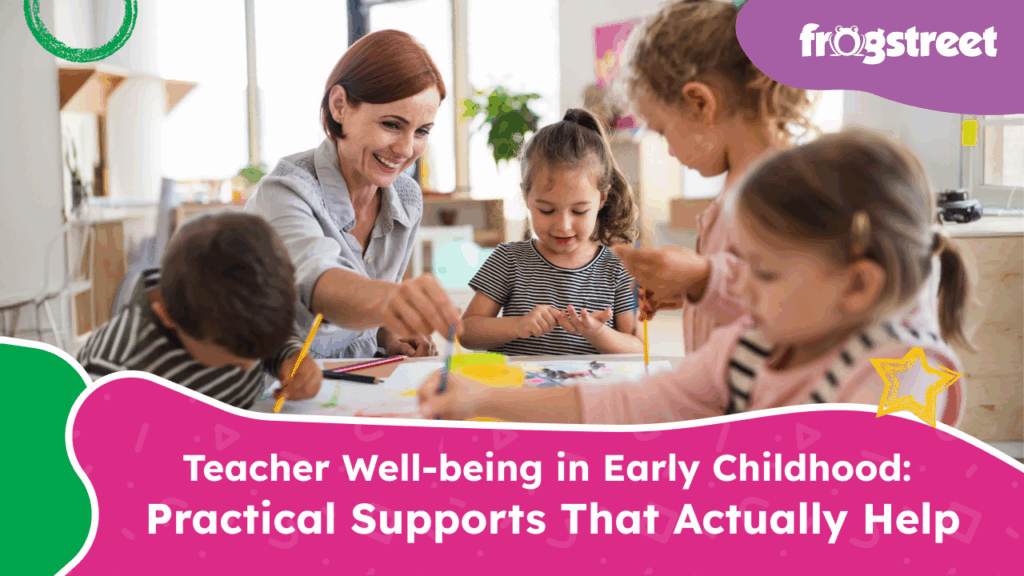
How do you support teacher well-being in early childhood? You support it by designing daily systems that reduce strain, protect energy, and help teachers feel steady throughout the day. Teacher well-being improves when educators work within predictable routines, clear expectations, and practical systems that fit real classroom days. When teachers feel supported by structure rather than stretched by demands, they have more capacity to engage children, guide learning, and sustain positive classroom relationships across the year. Teacher well-being in early childhood is closely connected to classroom quality. How teachers feel during the day influences engagement, consistency, and the overall learning environment in meaningful ways. When the Day Works, Teachers Thrive Teacher well-being is not separate from teaching. In early childhood settings, it lives inside the flow of the day. Teachers feel supported when planning feels achievable and the day unfolds predictably. Smooth transitions, familiar routines, and clear priorities allow teachers to stay present and responsive rather than constantly adjusting. When systems do more of the work, teachers regain energy. That steadiness creates space for connection, curiosity, and calm learning experiences. It also makes room for joy, the kind that fuels classrooms for the long haul. What Does Teacher Well-being Really Mean Beyond Self-Care? Teacher well-being in early childhood extends far beyond self-care messaging. While personal wellness matters, well-being in practice is shaped by daily conditions inside the classroom. Beyond self-care, teacher well-being means: Planning feels manageable rather than open-ended Routines support children’s regulation and teacher flow Expectations feel clear and consistent Teachers spend less time searching, improvising, or second-guessing Materials and guidance are ready to use, not another project to build Early childhood educators make hundreds of decisions each day. When systems provide clarity and consistency, teachers conserve mental energy and feel more confident in their work. Teacher well-being also improves when routines and expectations reflect children’s cultures and languages. Visuals, family-informed routines, and simple key phrases in home languages can reduce confusion and strengthen connection for children and adults. Why Teacher Burnout Prevention Matters Mid-Year Preventing teacher burnout becomes especially important as the school year settles into its rhythm. Burnout does not signal a lack of commitment. It reflects sustained effort but lacks sufficient structural support. Mid-year classrooms rely on consistency. Children benefit from familiar routines, and teachers benefit from reassurance that current practices continue to work. When teacher well-being is supported during this season, classrooms maintain engagement and flow. Supporting teacher well-being at this point helps teachers move forward with clarity and confidence while sustaining strong learning experiences. Five Supports That Reduce Teacher Stress Quickly The most effective supports reduce stress in real classroom days rather than adding new demands. Reducing decision fatigue plays a decisive role. Use a consistent daily sequence that teachers do not have to reinvent. For example: welcome routine, whole group, small group, centers, movement, read aloud, closing. Rotate materials, not the structure. When teachers know what comes next, delivery gets easier. Make routines predictable and visible. Post a simple picture schedule at the child’s eye level. Use the same cleanup cue and the same transition language every time. Preview what is next in one sentence. These small moves reduce the need for repeated redirection and make the day feel calmer for everyone. Build a transitions toolkit that works every time. Choose one visual cue, one song, and one consistent teacher script for each major transition. Examples: arrival, cleanup, bathroom, outdoor, dismissal. When transitions run smoothly, teachers stay regulated, and instructional time is protected. Use low-prep engagement strategies to preserve energy. Keep a small set of movement moments and attention cues that always work. Example: two-minute stretch and breathe, quick call and response, simple finger plays, or a short chant. Familiar tools keep children engaged without increasing prep time. Reinforce consistency over perfection. Coach one meaningful shift at a time. Celebrate what is already working. Reduce extra initiatives during heavy weeks. Teachers thrive when they feel trusted to deliver with confidence, not pressured to perform at an unrealistic pace. When Support Truly Helps and When It Adds Weight Support works best when it aligns with classroom realities and simplifies the day. Approaches that add steps, shift priorities, or require additional time can feel heavy during already full weeks. Even well-intended actions may feel overwhelming if they complicate the workday. Teacher well-being improves when there is support: Protects instructional time Clarifies focus rather than expanding it Reinforces what is already working When leaders streamline expectations, teachers experience support as steady and encouraging. How Can Leaders Support Teacher Well-being Without Adding Meetings? Leaders shape the conditions that support teacher well-being every day. Clear priorities help teachers direct their energy with confidence. Protecting routines that work reinforces stability across classrooms. Short, consistent touchpoints that center on listening and affirmation can outperform formal meetings because they lower pressure and build trust. Practical support also matters. Providing materials, flexibility, or coverage can make the day feel noticeably easier. Small operational moves, like protecting planning time, simplifying documentation expectations, and removing nonessential tasks, immediately reduce strain. When leadership focuses on making teaching more manageable, teachers feel valued and capable. Leaders can also strengthen their approach by aligning support with existing PD resources that emphasize ease of implementation, classroom consistency, and teacher confidence, rather than introducing new initiatives mid-year. This is where embedded supports, clear routines, and consistent teacher language become a strategic retention lever, not just a nice-to-have. What Can Teachers Do That Fits Real Classroom Days? Teachers support their well-being most effectively through small adjustments that fit naturally into the flow of the day. Helpful practices include: Anchoring the day with a familiar opening routine Using movement to reset energy for both teachers and children Simplifying transitions before changing lesson content Using one consistent set of phrases and visuals for the most common moments of the day, so you are not improvising under pressure. Planning for flexibility inside routines, so predictable does not become rigid. Teachers also benefit from recognizing that steady progress matters. Protecting energy helps teachers
Why January Is Your Best Window for Fall 2026 Success

January may mark the time to consider a new curriculum for Fall 2026. You gain fresh midyear classroom insight and enough planning space to act with clarity. You also give educators strong support through a rollout that feels steady and well-paced. When to choose a preschool curriculum: For a Fall 2026 launch, decide in January 2026. This timing aligns the selection of early childhood curriculum with preschool budget planning, board schedules, and implementation readiness. You create space to compare options objectively, fund them smoothly, and prepare educators with confidence. As a superintendent or early childhood director, you guide instructional vision and build the conditions that help teachers thrive. January lets you connect those responsibilities in a calm, steady way. Why Timing Matters for Curriculum Decisions Curriculum adoption shapes daily teaching routines, learner experiences, and progress monitoring. Timing influences how smoothly that system comes together for every classroom. When you decide early, you invite teacher voice into the process at a comfortable pace. You also align schools around shared routines before the start of the year. That alignment supports children with consistent learning experiences across sites. Educators step into Fall 2026 ready to teach with clarity and confidence. What Makes January the Best Decision Window for Fall 2026? January brings your best information to the table. You have midyear data, educator insight, and clear visibility into what classrooms need next. January also falls within the active budget drafting period. That gives you room to plan costs transparently. You can connect your instructional priorities directly to next year’s funding before proposals are finalized. This timing matters because it is a true planning window. You can evaluate fairly, fund confidently, and build training time into the year. Three strengths define January: You can include curriculum costs in draft budgets. You can evaluate programs with real classroom input. You can plan training and coaching at a pace that supports your needs. Planning Your Fall 2026 Timeline A January decision creates a smooth path into Fall 2026. Each phase unfolds steadily, supporting the next. Month District focus What your January decision supports January 2026 Midyear review, budgets begin Set priorities, define criteria, and shortlist options February Budget work deepens Schedule presentations or pilots, gather teacher feedback, and map costs March Budget direction finalizes Select curriculum, draft board case April–May Board review and approval Secure approval, place orders June–July Summer PD and planning Train teachers, align routines, schedule coaching August Back-to-school prep Confirm materials, prepare families Fall 2026 Implementation begins Launch consistently across sites A simple target to keep the year steady is to select your program by March 2026. That timing supports spring approval and full summer learning time. If you want a simple way to evaluate options fairly, the Curriculum Comparison Checklist helps you compare programs side by side and capture stakeholder input in one clear record. How Early Planning Supports Your Budget Cycle January aligns naturally with preschool budget planning. Budgets often take shape from January through March. When you decide within this window, you can forecast total costs with clarity. That includes materials, professional learning, and replenishment cycles. You also support boards with a complete cost picture early in the approval season. This approach helps you plan once, clearly, and move forward with shared confidence. What Do Programs Gain When They Start in January? Many districts explore options in Spring. That season works beautifully when January has already set the foundation. Starting early allows spring to focus on refinement: You enter spring with shared criteria and a clear shortlist. You bring your board an organized, evidence-based rationale. You enter summer with plans ready to activate. Leaders who decide by March often secure full summer training windows. That preparation supports confident educators and smooth Fall routines. How Districts Compare Options Objectively A neutral comparison process builds trust. It also makes your final decision easy to explain to stakeholders. Start by setting criteria for evaluating curriculum. Tie them to teacher success and child growth. Many leaders prioritize: Clear daily routines that teachers can implement consistently, Meaningful assessment that fits instructional time, Embedded support for diverse learners and settings, Practical family engagement tools, Strong coaching and implementation resources, Transparent total cost of ownership Positive learning environment. Then use a side-by-side table for clean evaluation. Evaluation area Program A Program B Program C Daily structure clarity Assessment fit and usefulness Support for diverse learners Implementation + coaching tools Family engagement resources First-year + ongoing costs Score each area from 1–5. Double-weight your top three priorities. This method keeps your decision aligned with district needs. How Do You Build a Board-Ready Business Case? Boards respond to clarity, sustainability, and child-centered outcomes. Your case becomes strong when it tells a simple story. Start with midyear instructional direction. Name what you want to strengthen next year. Keep it practical and forward-looking. Then highlight what adoption will support by Fall 2026: More consistent learning experiences across classrooms, Smoother daily routines that support teacher focus, Progress monitoring that informs instruction, Stronger kindergarten readiness, Reliable support for varied learners. Next, present the total cost of ownership clearly and concisely. Include first-year materials, ongoing costs, training, coaching supports, and replenishment cycles. When you show the full plan early, boards can approve with confidence. If peer perspective supports your conversation, request peer connections with district leaders who have guided strong adoptions. Their insight often adds practical clarity to board discussions. Implementation Planning That Keeps Educators Centered Implementation thrives when teachers feel ready before children arrive. January adoption gives you the runway to support that readiness with care. Plan summer learning that includes practice and collaboration. Teachers gain confidence when they rehearse routines together. Schedule consistent coaching sessions for early fall. Short, steady support helps teams strengthen habits quickly. Prepare welcoming family communication before school begins. Clear resources help caregivers engage early. As you compare options, you can review programs like Frog Street’s Pre-K Curriculum as part of your process. You can also explore Funding Resources to support budget alignment and long-range planning. Your
The Mid-Year Classroom Refresh: Simple Changes That Re-Engage Children
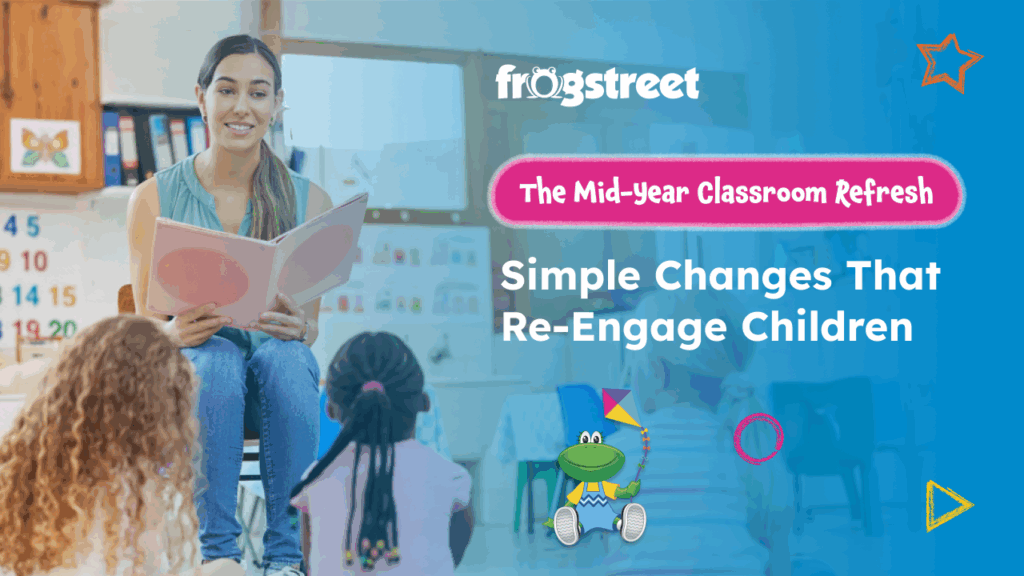
January walks into your preschool classroom with a different kind of buzz. Children come back taller, chattier, and eager to reconnect. You return with deeper insight into each child and a clearer picture of what helps them thrive. A mid-year classroom refresh is not about starting over; it’s about refining. It is about tuning what already works so it fits who your children are right now. With a few practical activities and simple routine adjustments, you can re-engage preschoolers mid-year without adding to your workload. Why January Feels Full For Teachers And Children January feels full because everyone is growing at once. Children return from break with the rhythms of home still in their bodies. They are happy to be back, and they are also relearning the school pace. That relearning may show up as extra movement, strong feelings, or a bigger need for reminders. Those moments are part of returning to community life. By mid-year, your classroom is fully known. In September, novelty caught attention. Now, children are thriving in all aspects of their day. That comfort gives them the courage to play bigger, stretch social roles, and try new ideas. Familiarity can soften urgency, so attention often benefits from a fresh hook. Development moves quickly between fall and winter. Language grows, friendships deepen, and attention lasts longer. Routines that fit early in the year may now feel small for who your children have become. This refresh helps you honor their new capacity. You carry more now, too. Mid-year planning and family goals are real work. Without steady routines, teaching time slips away in little pieces. With small upgrades, you get more teaching minutes back. This season is also a natural moment to lean on Conscious Discipline® classroom practices that support safety, connection, and regulation through everyday routines. How Can You Refresh Your Preschool Classroom Mid-Year? A mid-year refresh works best when you keep it simple. Use this short plan any time a routine feels tired. Pick one pressure point. Choose the part of the day that needs the most lift. Add one micro-spark. Keep your structure and change the feel. Hand one step to children. Give a clear role that builds ownership. Repeat for a week. Habit comes from consistency, not complexity. This sequence supports effort avoidance for you and for children. One small action is easier to initiate and maintain. Five No-Prep Activities To Try This Week Opposite Bubble Game Say, “We are in an Opposite Bubble for one minute.” Give a few familiar directions the wrong way. Children correct you with smiles, then you pop the bubble. Listening sharpens because they are watching for meaning. You’ll often see eyes refocus and play deepen within minutes. Hands Tell the Story During a read-aloud, pause and invite, “Let your hands tell this part.” Children use their hands and fingers only to act out what is happening in the story while staying seated. You briefly narrate what you see, then say, “Hands rest.” Bodies stay engaged, minds remain anchored in the story, and every child gets a simple way to participate. Sound Stretch Stamps Say, “Let’s stamp sound on our bodies.” Choose a soft sound, such as “mmm,” “shh,” or “oo.” Children stretch the sound slowly along an arm or shoulder as if stamping paint. Switch sounds a few times and ends with a silent stamp on the heart. This blends sound, movement, and calm awareness in under a minute, making it a great reset before circle or after transitions. Mood Match Play Hold your hand like a small slider and say, “Match your play to this mood.” A high hand means big, joyful exploring. A middle hand means focused building. A low hand means gentle, quiet play. Slide your hand again after about thirty seconds. Children adjust their energy in response to your visual cue, rather than needing multiple verbal reminders. This works beautifully inside centers. Invisible Bridge Builder Tell your class, “Let’s build an invisible bridge across our room.” Choose two points in the space. Children add bridge pieces using their bodies and sounds, then the group walks the bridge together, using the motions they have invented. This turns transitions into teamwork and imagination rather than a rush or a stall. Five-Minute Refreshes That Smooth Your Day You do not need to redesign your day. You need quick, easy-to-repeat glow-ups. Try one for a week, then keep the one that works. Smooth the welcome loop. Use a predictable rhythm, such as arrive, connect, choose, and begin. Keep one soft-start setting steady throughout the week. Bridge transitions with purpose. Carry a tiny idea into the next block, such as “Bring your quiet hands to the rug.” Create an ownership island. Add a Center Opener or Cleanup Captain for one clear step you usually lead. Echo one learning thread. Repeat a word, feeling, or skill in circle, centers, and closing. Add a predictable joy spark. Use a one-line chant before lining up or a silent wiggle-and-freeze before stories. Teachers who test one routine in the morning, noon, and afternoon usually notice smoother flow and fewer repeated reminders. These patterns align with Conscious Discipline® and your existing teacher-friendly classroom management routines, reinforcing safety, connection, and independence. How Can Teachers Reset Quickly During The Day? Your steadiness shapes the room. When you feel grounded, children borrow that calm. That’s why teacher self-care strategies matter most when they fit inside school hours. Try one of these quick resets during the day. Doorway breathing. Take three slow breaths when children go outside or to specials. One win, one next. Write one bright moment from today and one tiny idea for tomorrow. Glow notes. Jot quick wins like “Shared kindly” or “Tried again.” Micro-connection. Offer one specific compliment to a colleague and reciprocate with theirs. If you enjoy sharing ideas with other teachers who value calm and joyful classrooms, you can connect within the Friends of Fanny Facebook Group for ongoing encouragement and inspiration. Small Changes That Shift Classroom Energy Small changes often